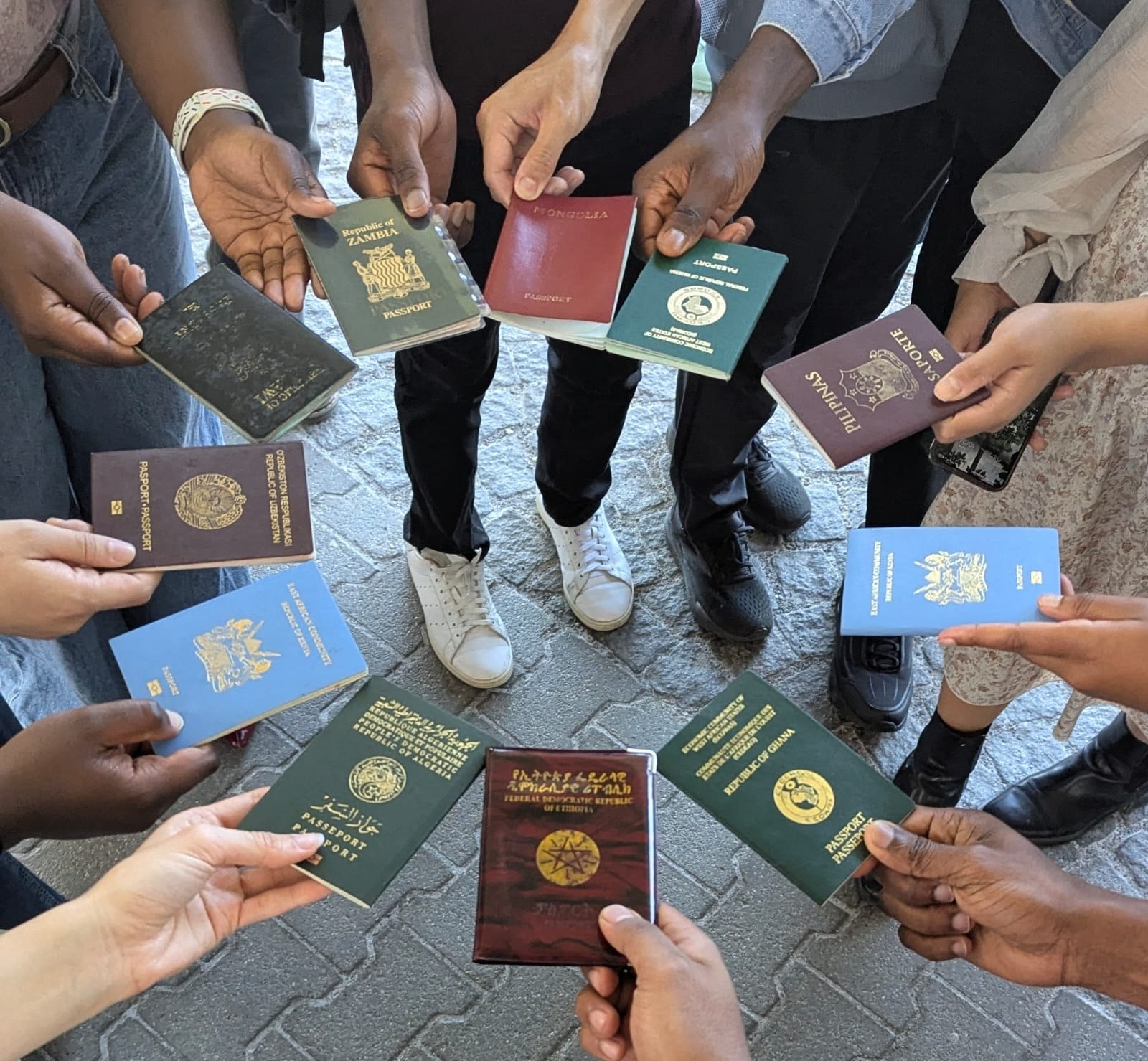
Always something different about coming home, even when home is a city you've chosen. Vienna has always felt like a second home to me so I was elated that our very first CDE field trip brought us here.
AUSTRIAN SCIENTIFIC COMPUTING
Our first stop was Austrian Scientific Computing — a collaboration of several universities that pools supercomputing resources and technical expertise to power scientific research across the country. We started with an overview from Jan Zabloudil, who walked us through some of Austria's most advanced scientific and technological infrastructures.
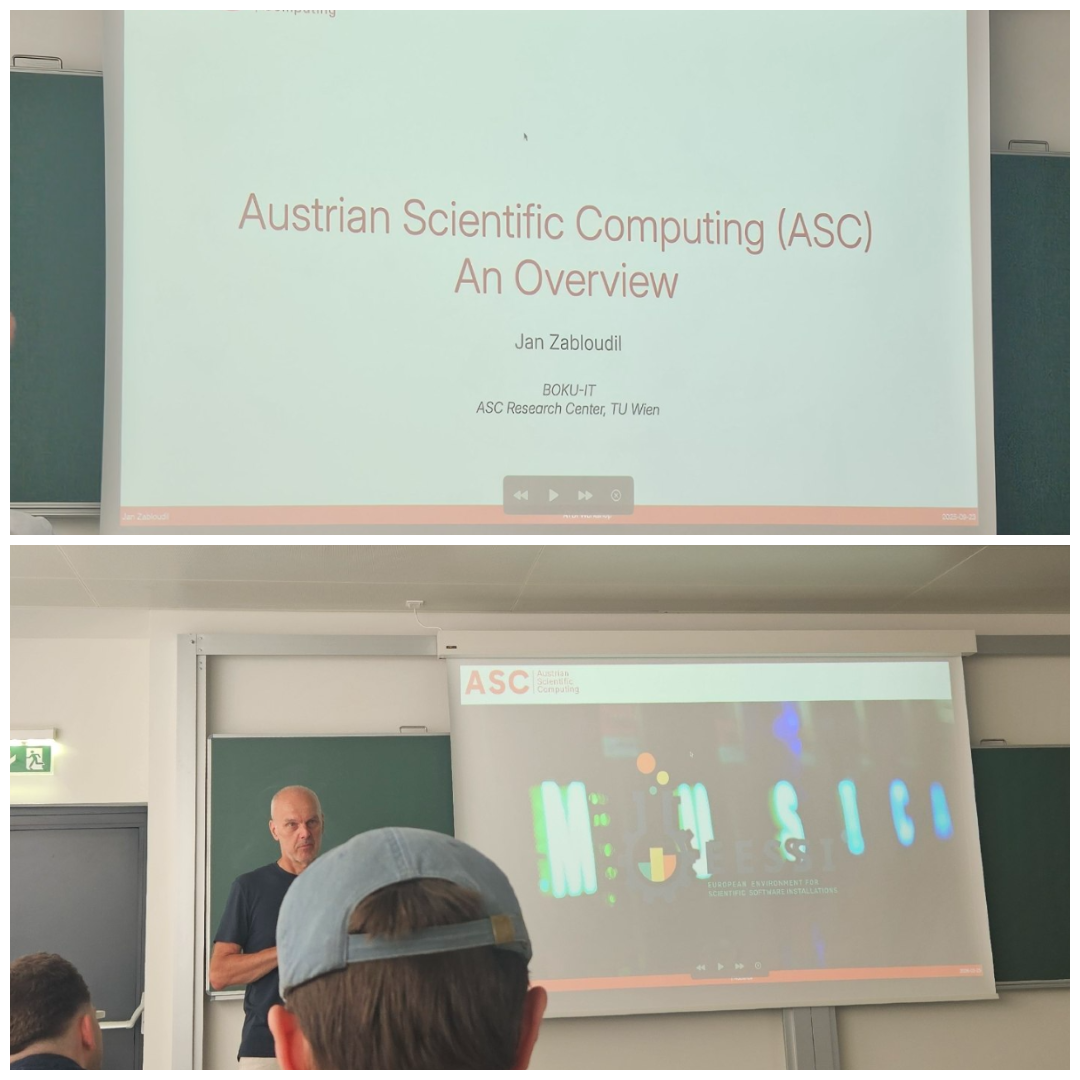
It was very intriguing to see the politically driven geographic distribution since certain cities in Austria have been designated as hubs for scientific computing. I had imagined a single monolithic server room somewhere hidden underground. Instead, the infrastructure is spread across multiple locations connected through a coordinated system.
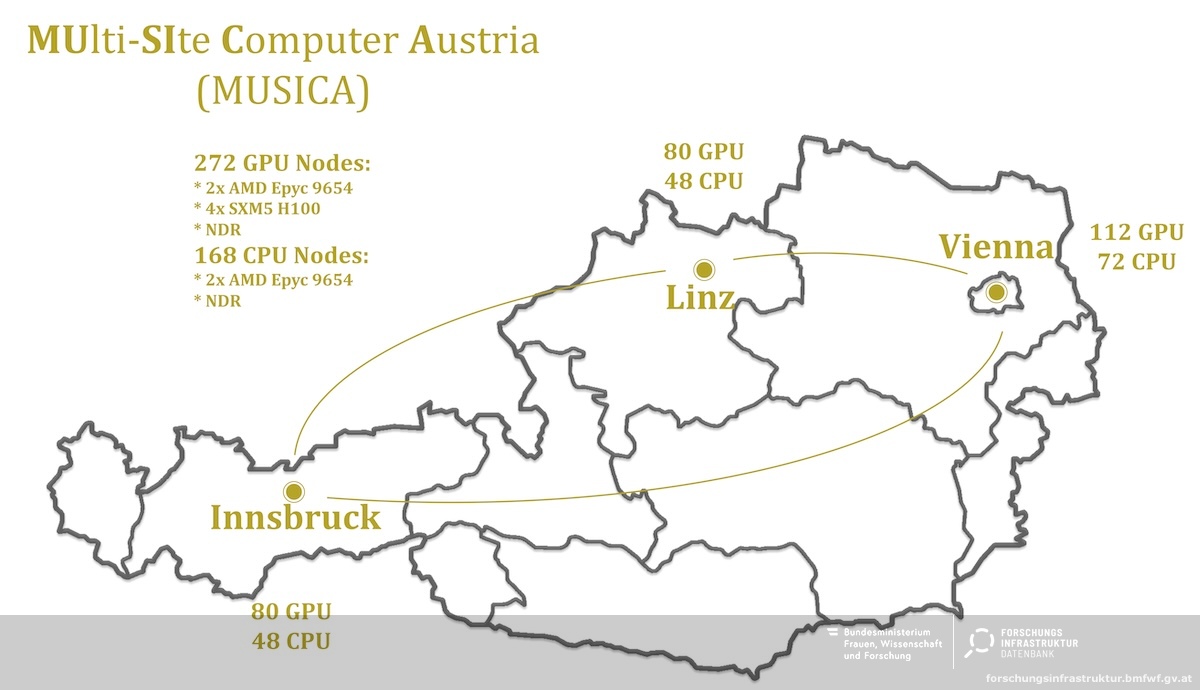
MUSICA Vienna site © TUW/Matthias Heisler
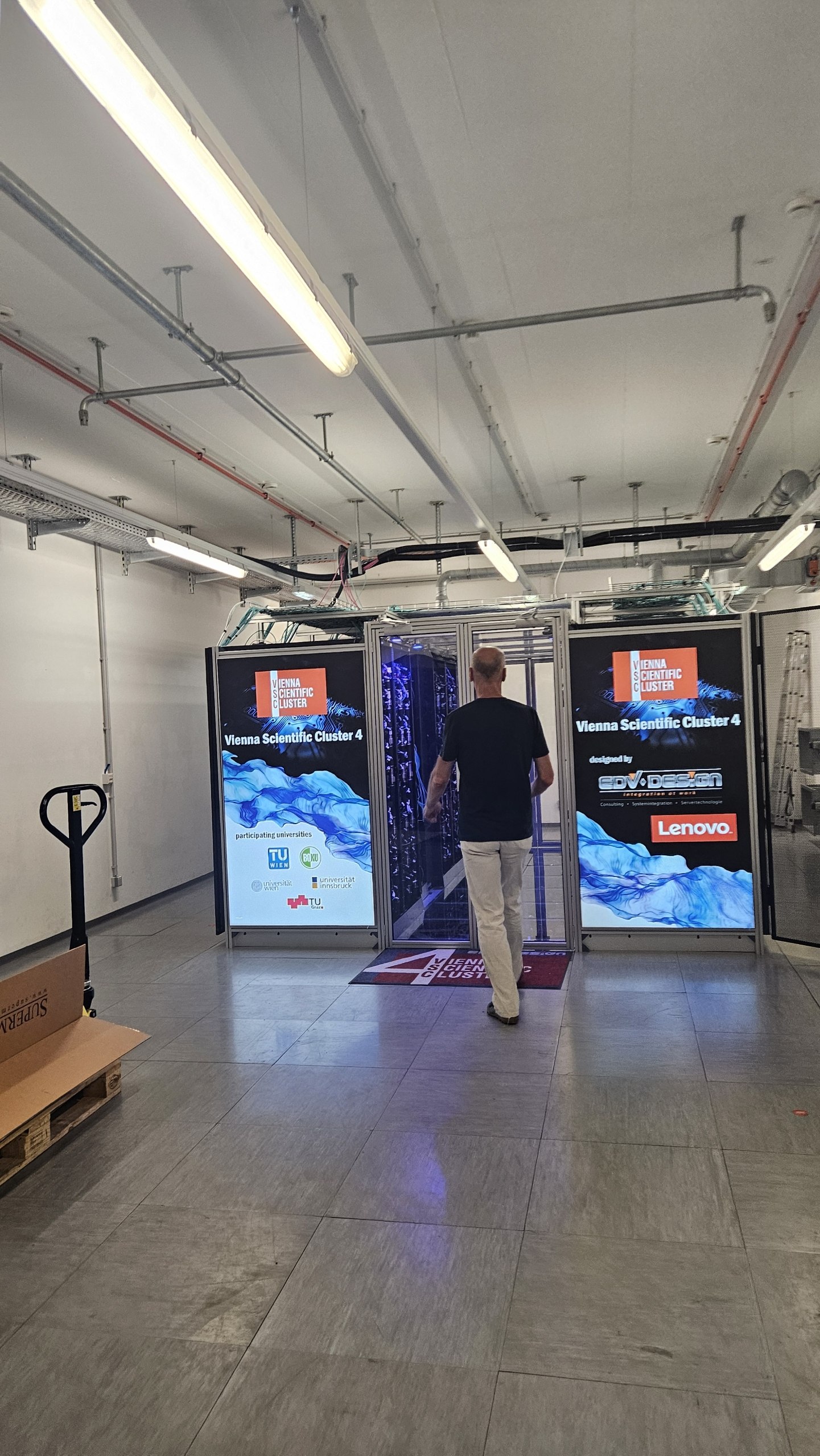
The MUSICA project will significantly expand Austria's high-performance computing capacity by adding a new supercomputer cluster to the Vienna Scientific Cluster (VSC), a collaboration of several Austrian universities including TU Graz. Delivering up to 40 petaflops of computing power, it represents an eightfold increase over previous systems and places Austria among the world's leaders in high-performance computing.
EARTH OBSERVATION
DATA CENTRE
Then Ernst Haunschmid introduced us to the Earth Observation Data Centre which put the final piece of the puzzle in place.
Founded in 2014 as a public-private partnership, EODC was created to answer a question: what do you do when satellites collect more data than any single institution can manage alone?
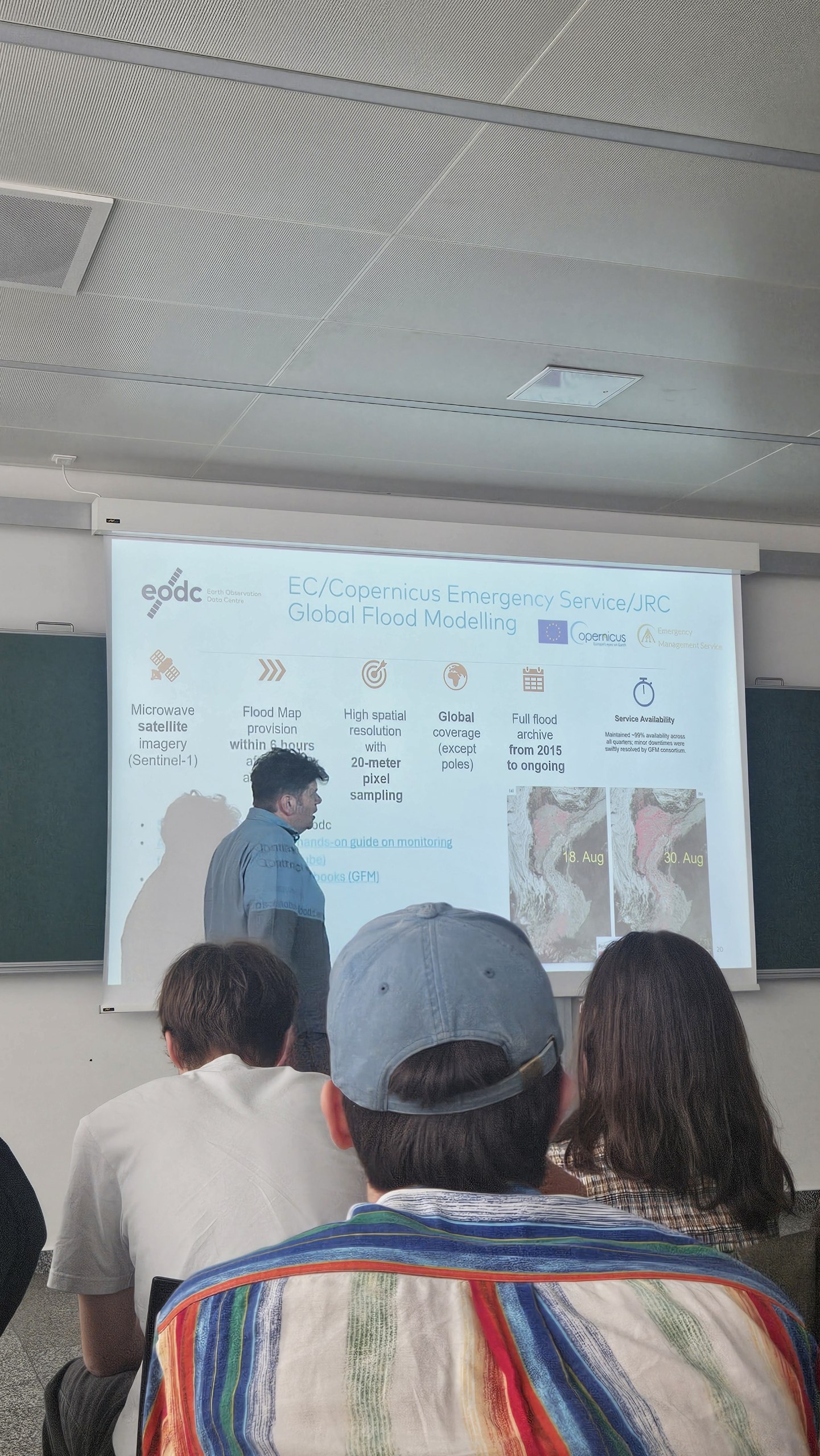
The Sentinel satellites the eyes of the European Union's Copernicus Programme generate several terabytes of Earth observation data every day. Over time, this accumulates into petabytes of environmental information tracking everything from soil moisture and flood extents to crop conditions and sea ice coverage. EODC's role is to store, process, and distribute this information.
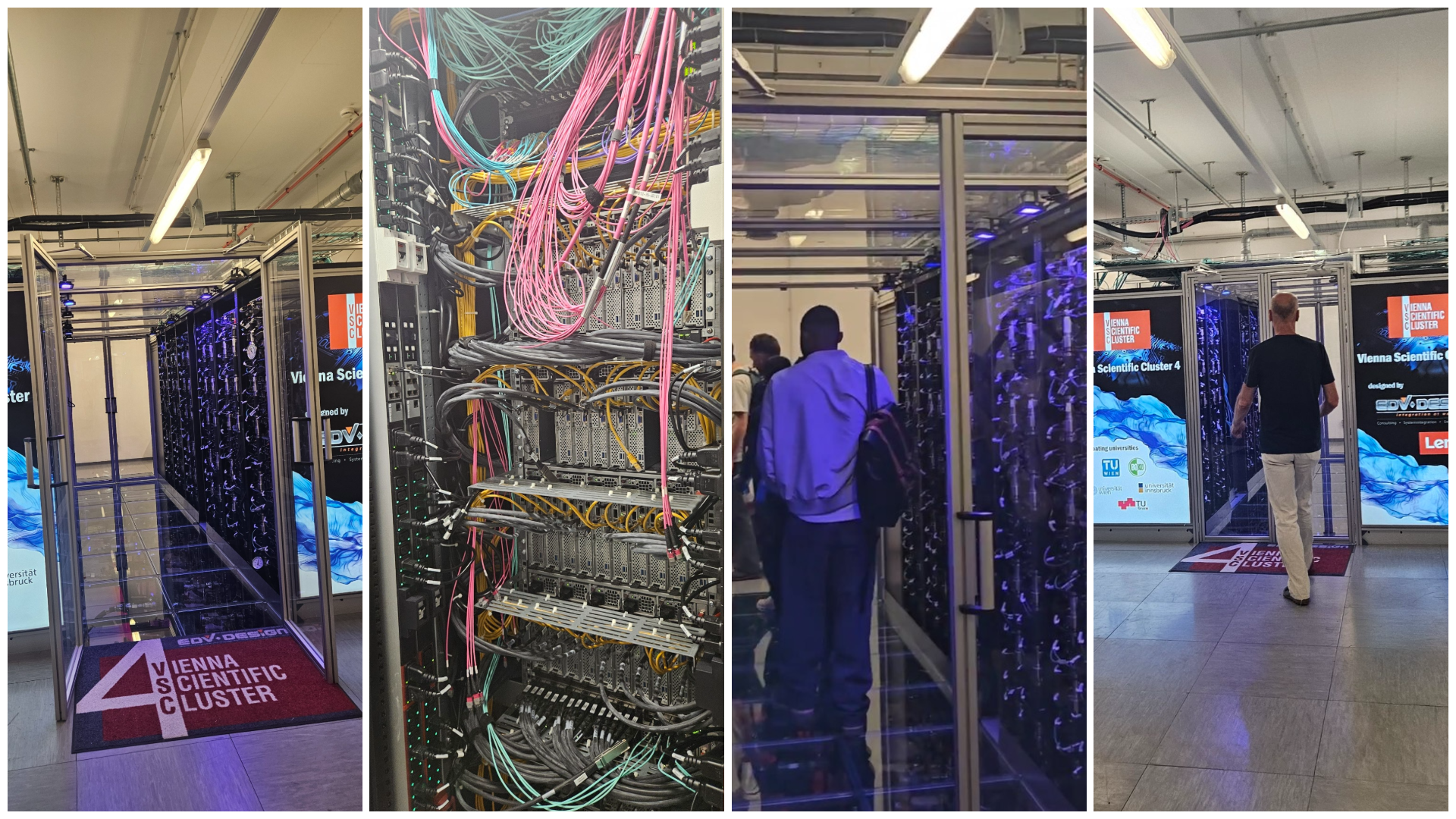
// It was my first time stepping into a data centre.
The moment the doors opened you are immediately greeted by a wall of hot air created by thousands of processors operating continuously. Rows upon rows of server racks stretched across the hallways. Somewhere inside those blinking lights millions upon millions of data points about our planet are being processed around the clock.
QUANTUM AUSTRIA
Quantum Austria is part of Austria's €107 million national quantum initiative backed by NextGenerationEU. Austrian startup AQT recently achieved a new European record in quantum computing with a quantum volume of 128 using ion-trap technology.
Classical supercomputers are the libraries of our age
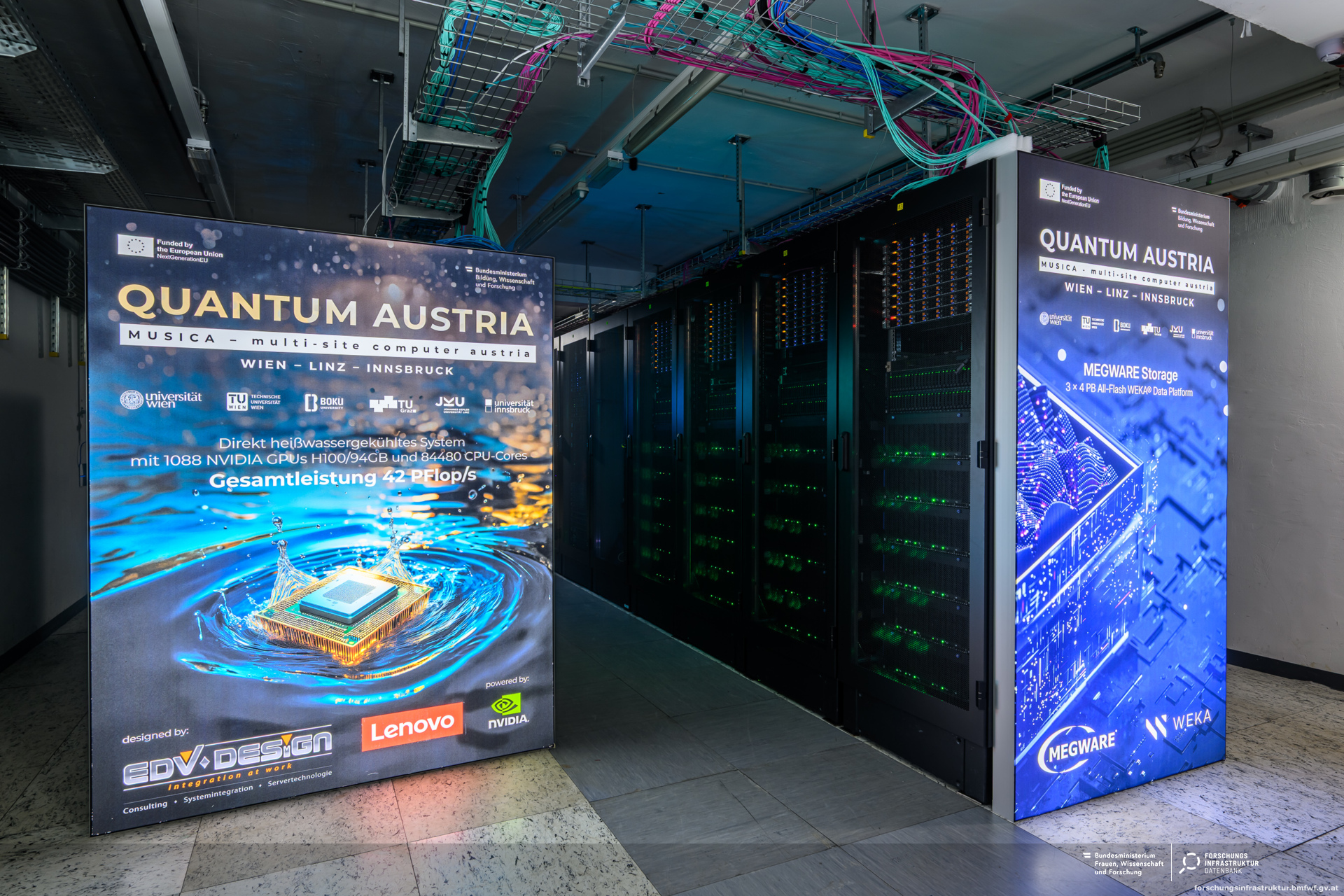
© Quantum Austria
With all this data floating around, I found myself wondering: what creative ways can we bring these resources closer to the public? The infrastructure exists. The data exists. The challenge is making sure both scientists and the masses can use this even outside it's intended analytical use.
One of the greatest flaws of our data-rich age is that access does not automatically create connection. We have become incredibly good at collecting information but not always at helping people see themselves within it. A flood map is not just pixels since it is someone's home. A drought index is never just a statistic since it could be a farmer's harvest. A satellite image is not just a raster layer since it portrays the places we love.
In the end, data only matters when people can recognize themselves in it. And this is something I am excited to explore in my specialization track of Geovisualization and Geocommunication.
UNITED NATIONS
HEADQUARTERS VIENNA
Visiting the United Nations Headquarters in Vienna never gets old. This marked my fourth visit to the building though the first time I stepped into the UNOOSA side of the complex.
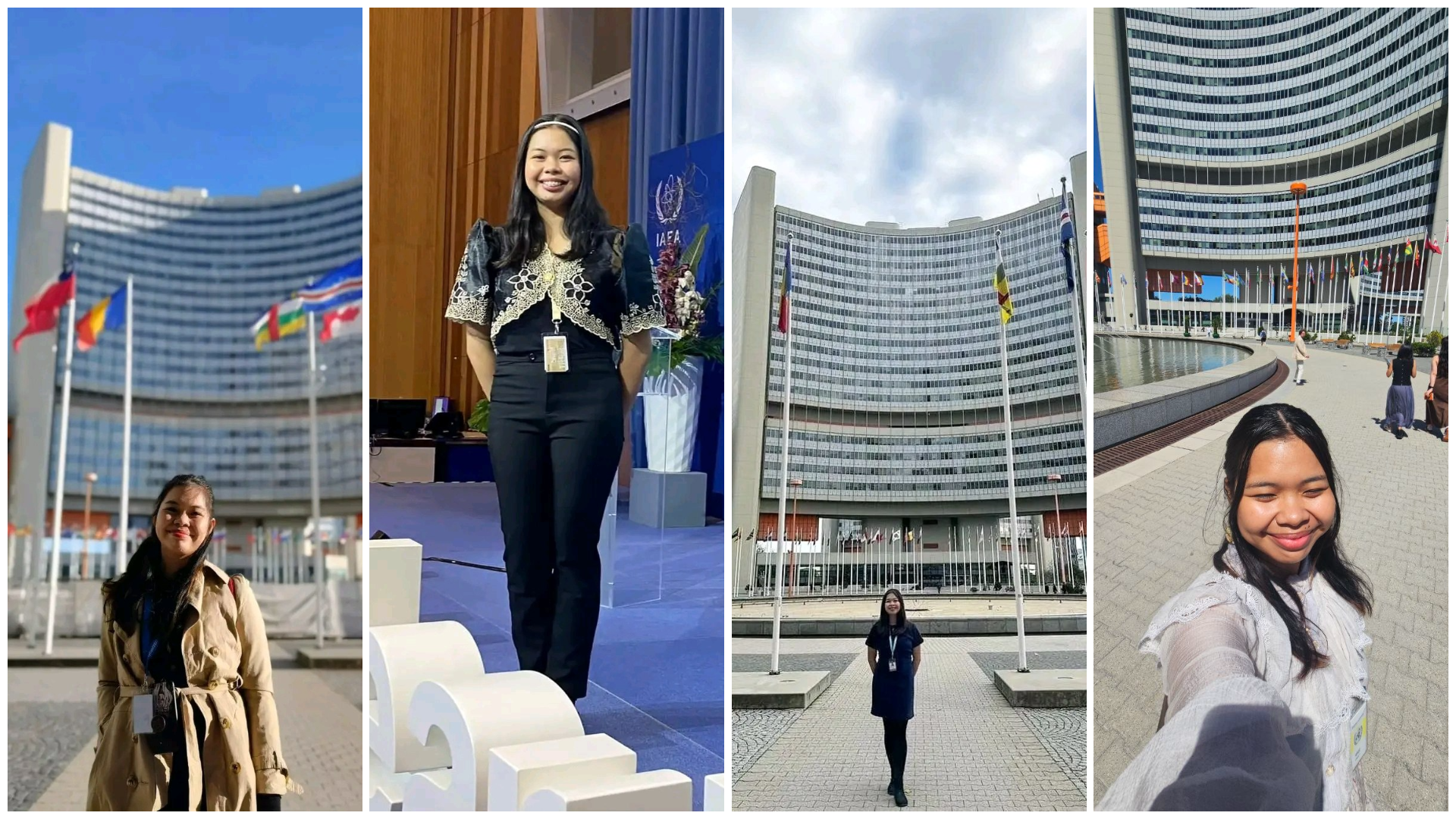
My UN Adventure throughout the Years
It was refreshing to finally have clarity between what the UNOOSA (United Nations Office for Outer Space Affairs) does as the parent organization while UN-SPIDER is a specialized program operated by UNOOSA. UNOOSA is the broader UN entity responsible for promoting international cooperation in the peaceful uses of outer space. UN-SPIDER acts as the disaster management arm of UNOOSA.
UNOOSA supports developing nations in using space science, technology, and applications for sustainable development. Through programmes like the Access to Space 4 All Initiative, it helps strengthen national space capabilities while promoting the use of satellite data for disaster risk reduction. The office also supports space law and policy development and works internationally to address matters of space debris and satellite navigation interoperability. One cool thing our presenter mentioned was how the Philippine Space Agency (PhilSA) and UNOOSA signed a Memorandum of Understanding on 13 March 2026 during the ASEAN Space Situational Awareness Workshop. That felt personal.
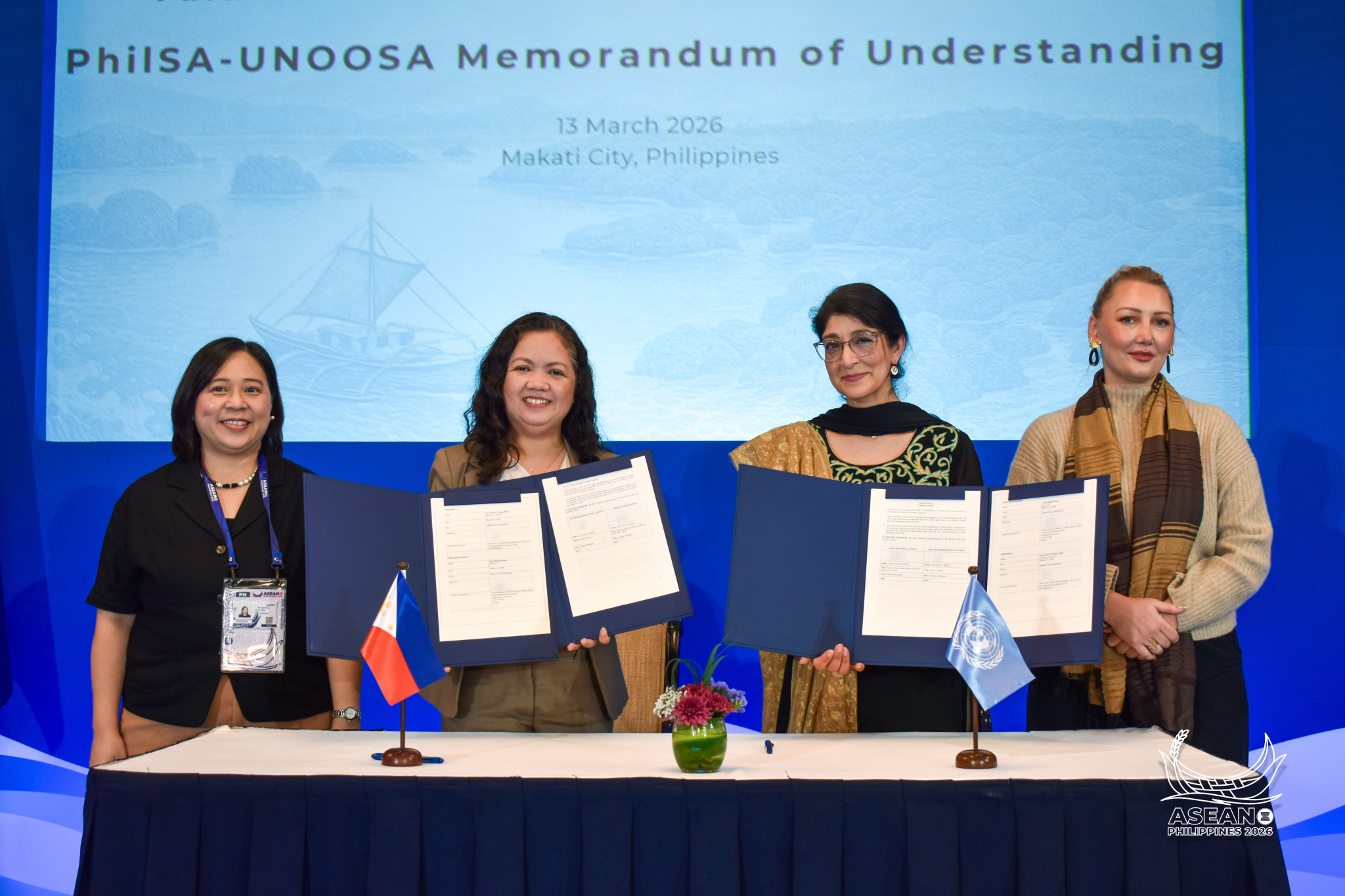
Philippine Space Agency (PhilSA) · UNOOSA MOU Signing. Photo credits: PhilSA
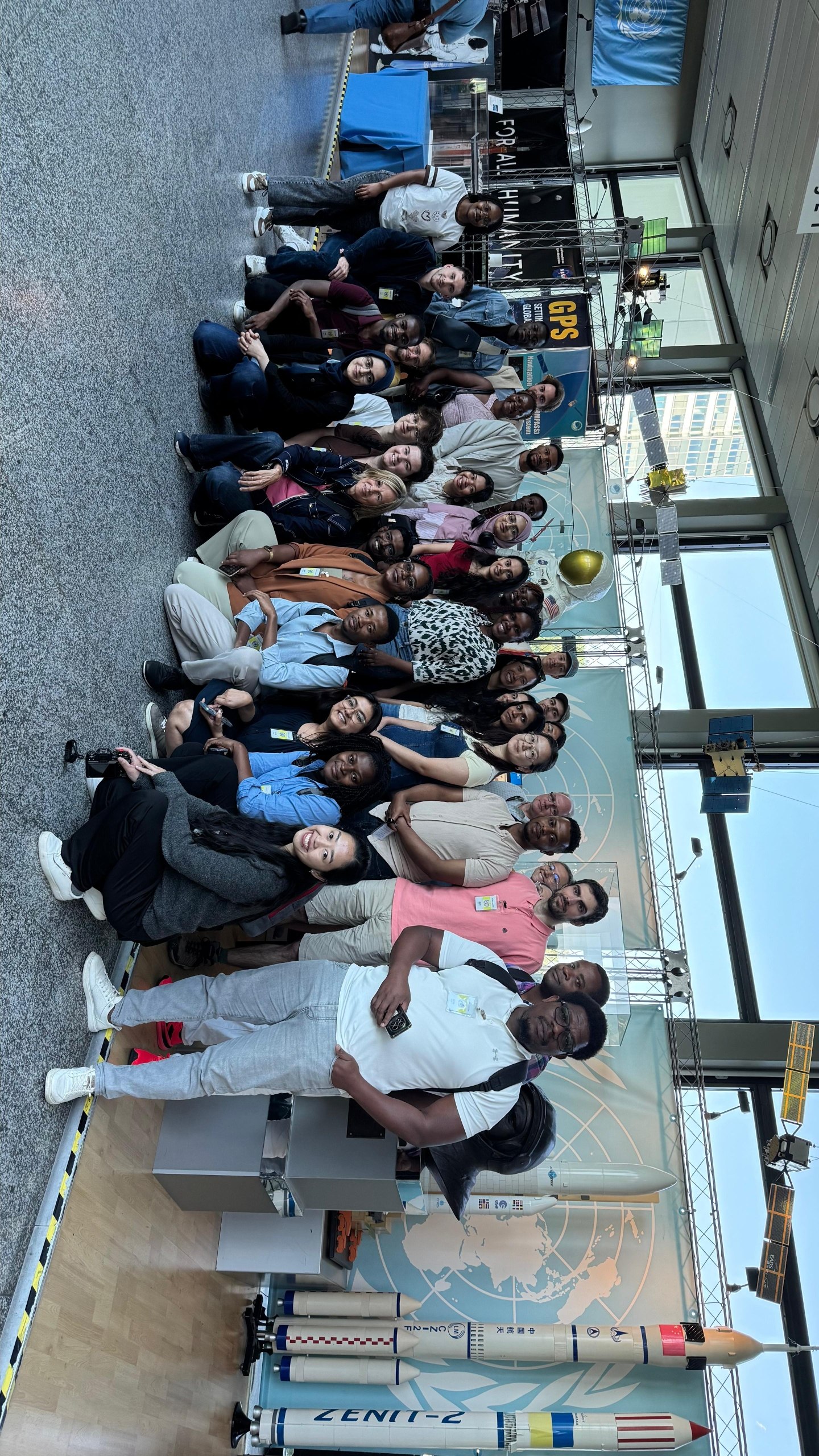
Afterwards, we walked through the UN space corridor and visited the public Space Exhibition. On display were moon rocks, models of the International Space Station, rockets, satellites, and spacecraft contributed by more than 25 countries and organizations showcasing their national achievements in space exploration.
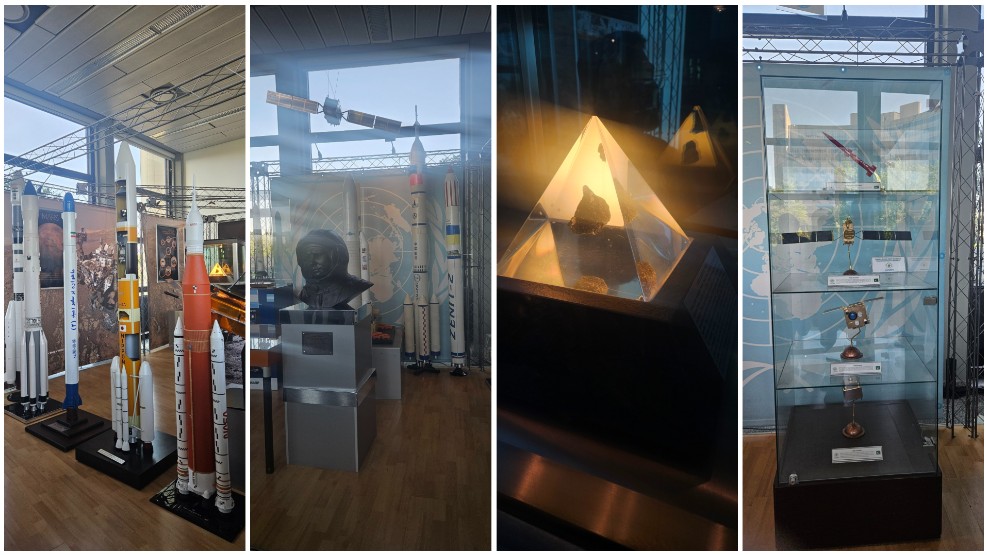
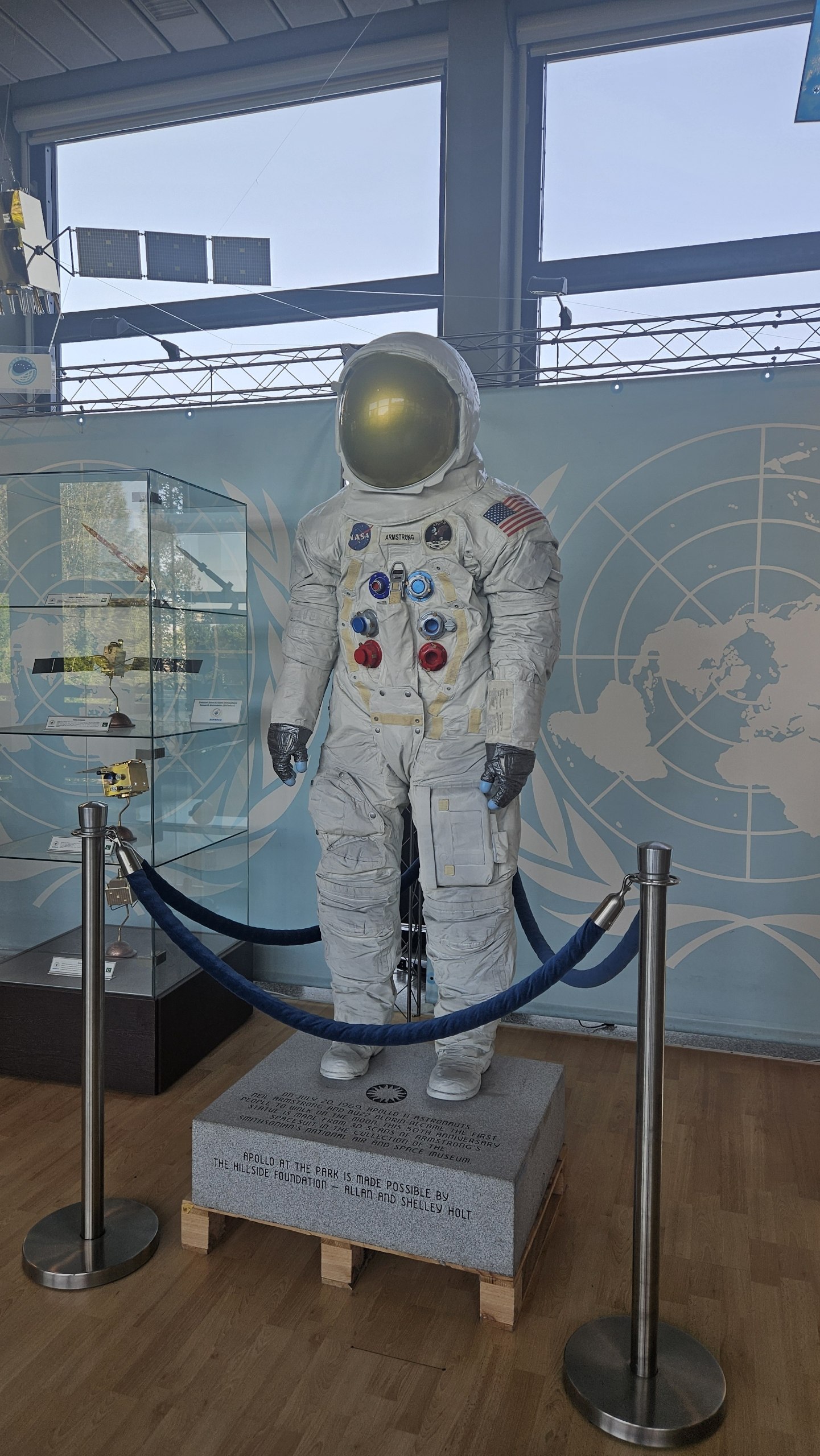
One of its standout highlights was the Armstrong Spacesuit Statue. The Vienna International Centre was selected as the only non-U.S.-based recipient of a donation from the Smithsonian National Air and Space Museum an exact replica of Neil Armstrong's spacesuit produced from 3D scan data.
WE ARE NOT BEING REPLACED
In a time when the job market often feels uncertain and AI leaves many wondering where they fit, it was comforting to spend a day among geospatial analysts, Earth observation specialists, and researchers whose expertise are irreplaceable.
The data centres are powerful but they are still nothing without the human minds that know what questions to ask. Offscreen, the datasets we download and algorithms we run for several projects are people working to make sure they serve both society and the planet.
If anything, it staked that we are not being replaced. We are the human backbone of a system that demands of us to be more interdisciplinary and more connected as human beings more than ever.
// Until the next field trip,
// I'll still be processing all the terabytes this day gave me.
█ END OF LOG